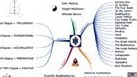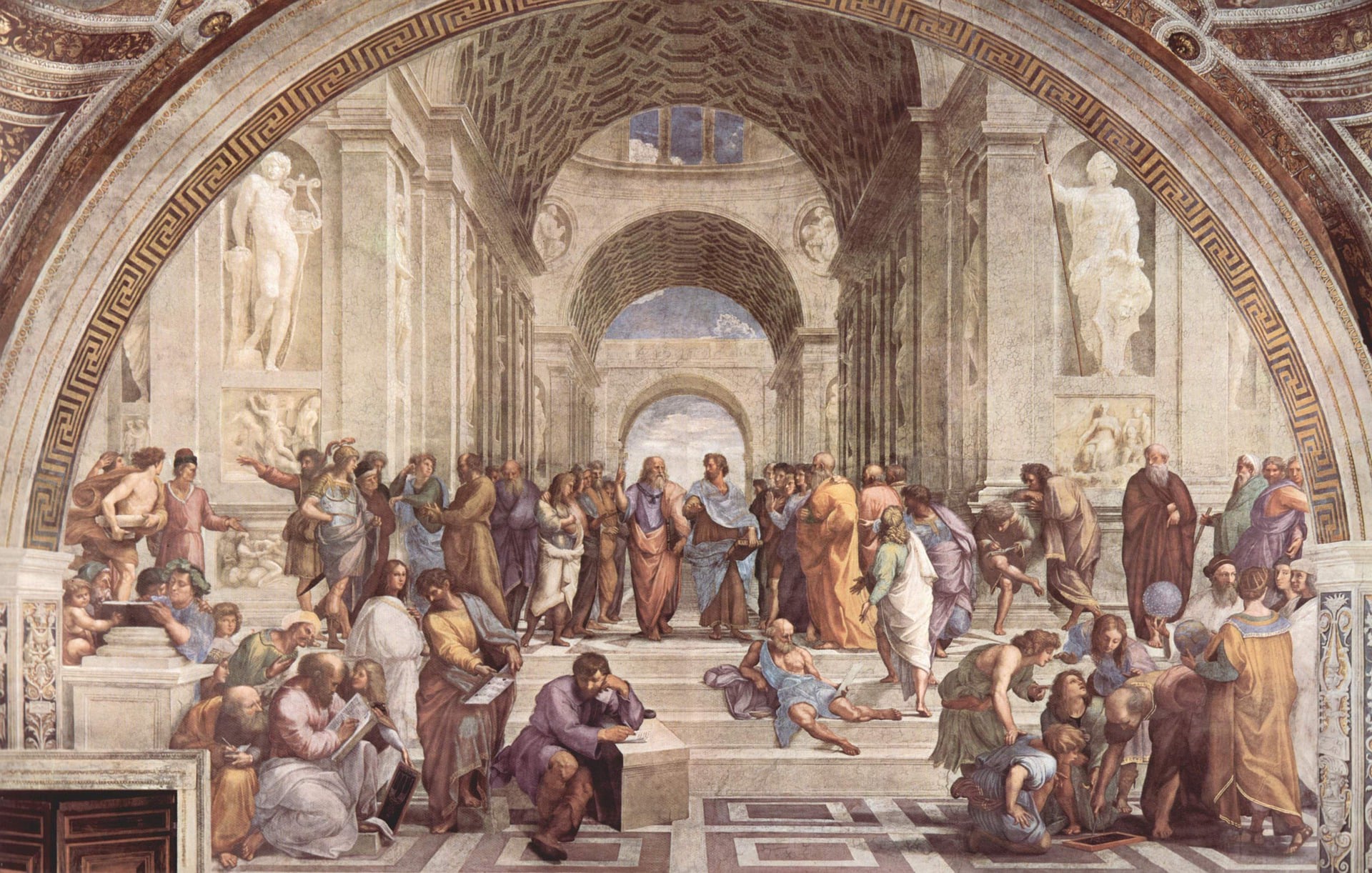
SOFIATOPIA investigates the human being as an embodied center of knowledge, feeling, action, interpretation, and possible transformation. Its philosophy distinguishes what science can test and argue, what metaphysics may responsibly conceive, and what transcendence can only indicate without conceptual possession. Ancient Egyptian thought and the Buddhadharma deepen this inquiry through their distinct understandings of order, renewal, suffering, liberation, and awakening.

Philosophy
The Philosophical Studies develop epistemology, aesthetics, and ethics as normative disciplines governing truth, beauty, and action. It also develops an immanent metaphysics : an arguable but non-testable interpretation of the world as the sole field of actualities, together with a critical examination of the limits of conceptual cognition.
Memphis Theology l Amduat l Hermetism
The Ancient Egyptian Studies examine religion, ritual, sapiential literature, theology, and funerary texts. Particular attention is given to Ma’at, the major sapiential instructions, the Pyramid Texts of Unas, the Amduat, Egyptian initiation, and the relation between textual interpretation and ritual practice.
Four Noble Truths l Merit l Emptiness
The Buddhadharma begins with the diagnosis of suffering, its cause, its cessation, and the path leading to cessation ; through merit, meditation, and wisdom, it advances toward liberation and awakening, distinguishing the paths of purification, renunciation, compassion, transformation, and self-liberation within the vehicles of Sūtra and Tantra, as well as Dzogchen.
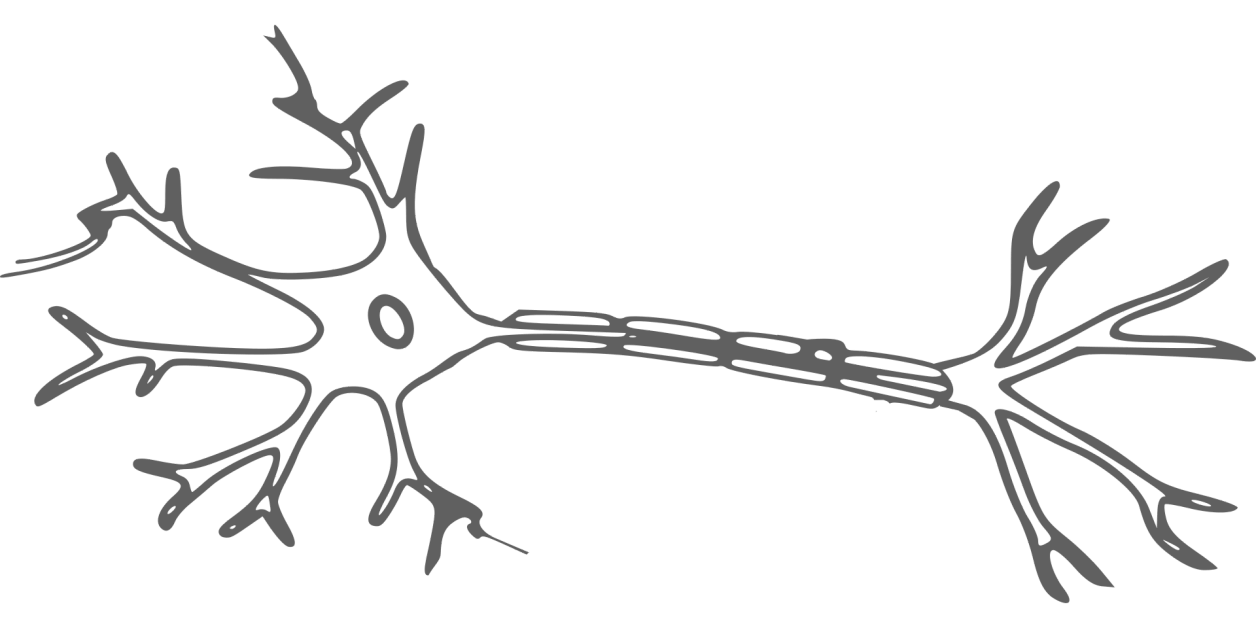
The Neurophilosophical Studies examine consciousness, sensation, the brain–mind relation, and the conceptual limits of reductive accounts of mental life. These earlier inquiries have been substantially revised in later philosophical books, especially Regulae I and Regulae II.
Mental states are neither material states nor informational structures, and they cannot be reduced to either. Thoughts, feelings, intentions, memories, and other conscious occurrences are non-spatial and first-personally given within the unique field of an individual subject. They may nevertheless be expressed, interpreted, and publicly attributed to the embodied person through language, action, and behavior. The person is therefore the single bearer of both mental and corporeal predicates. Mental states remain ontologically distinct from bodily processes and informational organization, while depending on both for their manifestation and functioning within the physical world. The mental is thus neither an isolated substance nor an epiphenomenal by-product, but an irreducible dimension of the individual’s embodied existence.
The brain is not a secondary instrument of consciousness but the indispensable material and informational condition through which an individual manifests as a sentient being in the physical continuum. Brain and mind function as co-relative operators within a threefold architecture : matter as hardware, information as software, and consciousness as userware. The brain belongs to the material-informational complex (MI), while mind refers to consciousness (C). The decisive issue is therefore the irreducible but functional interaction between C and MI.
The textual field brings together foundational preliminaries, epistemology, ethics, aesthetics, metaphysics, critical hermeneutics, religious studies, Ancient Egyptian literature, Hermetism, Hermeticism, and the Buddhadharma. These domains are not treated as isolated archives. Critical hermeneutics provides the common discipline by which texts, symbols, doctrines, and historical formations are interpreted, distinguishing experience from report, report from doctrine, doctrine from metaphysics, and historical mediation from warranted claims to truth. Across the corpus, textual study therefore combines philological attention, conceptual analysis, historical reconstruction, and critical evaluation.
The sacred points toward what Otto marks as 'X' : the holy or numinous, irreducible to doctrine or conceptual possession and accessible only through evocation and awakening. In Ancient Egyptian thought, this appears through Ma’at, renewal, ascension, and sapience ; in transpersonal philosophy, through self-actualization, self-realization, and transformed return ; in Beatrice, through the soul’s displacement under Divine love. Critical hermeneutics distinguishes such experience from its reports, symbols, doctrines, institutions, and metaphysical interpretations. What remains is neither proof of God nor reductive explanation, but a real, mediated, cognitively consequential, whole-person transformation whose ultimate meaning remains bounded by the transcendent limit.